
Accredited Investors, Family Offices, & High Net Worth Individuals...
Discover How To Earn 15%-18% Target Returns with Ground Up Real Estate Development...
All Without Becoming A Landlord Or Finding Your Own Deals
Blu Onx Has Been Featured On...

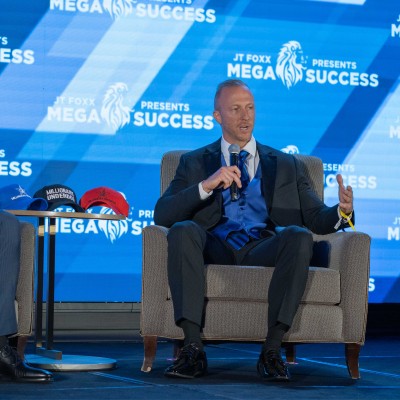
""Homebuilders in this country don't have a demand problem. They have a lot problem. We spend our time in the unglamorous middle of the process, the entitlements and the roads and the sewers, because that's where the bottleneck actually sits..."
- Kylie Brown, Founder & CEO
"INSERT TESTIMONAIL QUOTE OR NEWS ARTICLE DIRECT QUOTE IF POSSIBLE. IF NOT DELETE THIS SECTION"

Top Publications We Are Featured In
Frequently Asked Questions
How do you make money if you're not building the houses?
We buy raw or partially entitled land, take it through zoning and entitlements, and install the horizontal infrastructure — roads, sewer, water, storm drainage, grading. Then we sell finished lots to homebuilders. The value we create is the difference between what raw dirt costs and what a builder will pay for a lot that's ready to put a foundation on. We don't carry vertical construction, so we're not exposed to lumber prices, framing labor, or how long a finished house sits on the market.
Why land instead of apartments or a REIT?
Different risk, not less risk. Multifamily gives you monthly rent from day one and a lender's amortization schedule; land gives you nothing until lots sell. What land offers instead is a shorter cycle, low carrying costs, and the ability to know your buyer before you spend the money. What it gives up is current income and liquidity — you can sell a REIT share Tuesday afternoon, and you cannot do that here. This belongs in the illiquid, longer-horizon part of a portfolio, not the part you might need to reach.
What actually has to go right for this to work?
Three things. Entitlements have to come through on something close to the schedule we underwrote — municipalities set their own pace and public hearings can go sideways. Site work has to come in near budget, and the biggest variable there is what's underground: rock, water table, soils. And the builder has to close on the lots. Every one of those is a real risk, and the PPM walks through them in detail along with several others. If any of them concerns you enough that you'd need the outcome to be certain, this isn't the right investment for you.
What happens if the builder walks?
That's the question to ask, and it's why the terms of the takedown agreement matter more than the existence of one. What you want to look at in the project documents is the deposit structure, whether it's refundable, the pricing mechanism, and what our remedy is on default. Finished lots in a supply-constrained submarket generally have other buyers, but "generally" is doing work in that sentence — a second buyer may take longer to find and may pay less. Ask us for the specific agreement on any project you're evaluating, and read the default provisions yourself.
When do I get my money back?
Distributions are tied to lot takedowns, not to a calendar. Builders typically purchase in phases over a period of months, so cash comes back as those closings occur, with the balance at the end of the project. That means timing depends on the builder's absorption pace and on the project staying on its infrastructure schedule. There's no redemption right and no secondary market — if a project runs long, your capital is in it until the lots sell. The specific waterfall, priority of payments, and any preferred return are set out in the operating agreement.
Who can invest, and what's the process?
Accredited investors only. Because this is a Rule 506(c) offering, we're required to take reasonable steps to verify accreditation — a self-certification checkbox isn't sufficient. That generally means providing tax documents, a brokerage or bank statement, or a written confirmation from your CPA, attorney, or registered broker-dealer. From there: an introductory call, access to the PPM and project-level financials, verification, then subscription documents and funding.
FILL OUT THIS SHORT FORM (1-2 MIN) &
Schedule Your Call Now